


Summary
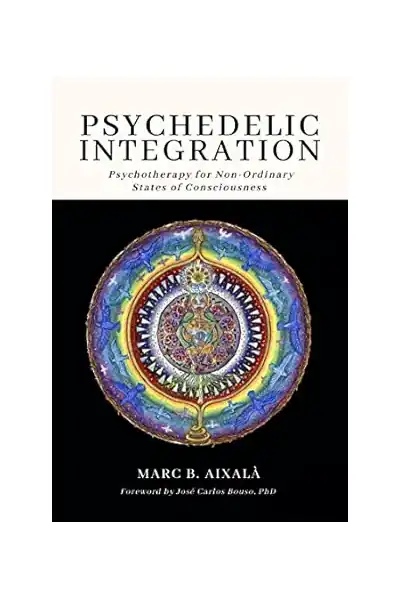
Marc Aixalà and Jose Carlos Bouso's "Psychedelic Integration" addresses a critical gap in psychedelic-assisted therapy: what happens after the experience ends? While research on psychedelics' therapeutic potential has exploded in recent years, less attention has been paid to the crucial work of integration—helping people make sense of profound, often overwhelming experiences and translate insights into lasting change. Published in 2021, this book draws on clinical experience from both legal psychedelic-assisted therapy contexts and underground integration work to provide practical guidance for therapists supporting people through this process.
What makes this work essential is its recognition that psychedelic experiences—whether occurring in clinical trials, ceremonial contexts, or spontaneously—often generate material similar to spiritual emergence: encounters with transcendent realities, ego dissolution, confrontation with trauma and shadow, mystical union, profound existential insights. These experiences can be immensely healing but also destabilizing, confusing, and difficult to integrate into ordinary life. Without skilled support for integration, powerful experiences may lead to spiritual inflation, bypassing of necessary psychological work, or inability to apply insights practically.
For IMHU's mission, this book provides crucial frameworks applicable beyond just psychedelic experiences. The integration challenges people face after psychedelic journeys mirror those encountered in spontaneous spiritual emergence, meditation-induced altered states, or other non-ordinary consciousness experiences. The clinical approaches Aixalà and Bouso describe—emphasizing embodiment, meaning-making, relational support, and gradual integration rather than immediate interpretation—offer models for supporting any transformative experience that doesn't fit conventional therapeutic frameworks. Understanding psychedelic integration illuminates broader questions about how to help people metabolize profound experiences into wisdom and growth.
The Integration Challenge
Integration refers to the ongoing process of making sense of psychedelic experiences and incorporating insights into everyday life. This is distinct from the acute experience itself and from preparation beforehand—it's the weeks, months, or even years of work translating profound but often ineffable experiences into actual changes in behavior, relationships, worldview, and wellbeing. Research shows that therapeutic benefits from psychedelics don't come automatically from the experience itself but rather from successfully integrating what emerges.
The challenge is that psychedelic experiences often involve material that resists easy integration: mystical encounters that feel more real than ordinary reality, dissolution of familiar identity structures, encounters with what feel like autonomous entities or forces, terrifying confrontations with repressed trauma or existential truths, and insights that seem profound during the experience but difficult to articulate afterward. People may return from journeys convinced they've discovered cosmic truths only to struggle expressing them coherently or applying them practically. Without integration support, powerful experiences can fade into mere memories without producing lasting change.
For IMHU's work, this integration challenge extends beyond psychedelics to all intense spiritual or transformative experiences. Whether someone has taken psilocybin, undergone spontaneous kundalini awakening, had a near-death experience, or experienced psychotic episode with spiritual content, they face similar tasks: making meaning from overwhelming material, distinguishing genuine insight from inflation or delusion, integrating expanded awareness back into ordinary functioning, and finding communities that can hold their experience without either pathologizing or romanticizing it. The frameworks developed for psychedelic integration apply broadly to supporting spiritual emergence.
Embodied Integration and Somatic Processing
Aixalà and Bouso emphasize that integration must be embodied, not just cognitive. Psychedelic experiences often involve profound somatic dimensions—energy moving through the body, stored trauma releasing, boundaries dissolving, connection to physical sensations intensifying. People may emerge with body memories, shifts in how they inhabit their physicality, or awareness of tensions and holdings they'd previously ignored. Purely talk-based therapy may miss crucial material that remains encoded somatically.
The book recommends somatic practices as essential integration tools: yoga, breathwork, dance, bodywork, mindfulness of physical sensations. These help people stay connected to insights that emerged through the body during experiences and continue processing material that may not be accessible through verbal reflection alone. Embodied practices also help ground people who may become unmoored or inflated after profound experiences, bringing them back into relationship with their physical existence and ordinary functioning.
For IMHU, this embodied emphasis aligns with understanding spiritual emergence as involving the whole person, not just consciousness or cognition. People experiencing kundalini awakening report intense somatic phenomena. Trauma stored in the body may emerge during spiritual practices. Integration requires addressing the soma alongside psyche and spirit. The somatic practices Aixalà and Bouso recommend for psychedelic integration apply equally to supporting people through non-drug spiritual emergence, helping them stay grounded and embodied while processing profound experiences.
The Dangers of Premature Interpretation
One crucial insight is that rushing to interpret or make meaning from psychedelic experiences can actually interfere with integration. In the immediate aftermath of profound experiences, people often feel compelled to explain what happened, fit it into existing frameworks, or declare cosmic truths they've discovered. But Aixalà and Bouso caution that premature interpretation can foreclose deeper processing, fixate on surface-level meanings while missing subtler dimensions, or lead to spiritual bypassing where declared insights substitute for actual behavior change.
They recommend an initial period of simply being with the experience—feeling it, allowing it to continue unfolding, noticing what arises without forcing interpretation. Writing, art, movement, and other expressive modalities can help process material pre-verbally before attempting conceptual understanding. Only gradually, over weeks or months, should people work toward articulating meanings and implications. Even then, meanings may continue evolving—what an experience signifies at three months may differ from interpretations at three years.
This patient, unfolding approach to meaning-making contrasts with both conventional therapy's emphasis on immediate sense-making and spiritual communities' tendency toward quick metaphysical claims. For IMHU, it models how to support people through experiences that may take extended time to digest and understand. Whether working with psychedelic journeys or spontaneous spiritual emergence, the goal isn't racing to fix meaning but rather creating space for gradual metabolization, allowing insights to ripen organically rather than forcing premature conclusions.
Integration in Community and Relationship
While individual therapy provides crucial support, Aixalà and Bouso emphasize that integration happens in relationship and community as much as in private reflection. People need others who can witness their experiences, provide grounding and perspective, challenge inflation while validating genuine insights, and help translate personal revelations into relational and social engagement. Isolation after profound experiences increases risk of losing perspective, becoming stuck in solipsistic meaning-making, or failing to apply insights practically.
The book discusses various community structures supporting integration: peer integration circles where people share experiences and insights, ongoing relationships with experienced guides or mentors, participation in spiritual communities that provide context and practices, and integration of insights into existing relationships with partners, family, and friends. Each offers different resources—peers provide solidarity and shared exploration, mentors offer wisdom and perspective, communities provide frameworks and practices, intimate relationships require embodying insights in daily interaction.
For IMHU's vision, this relational emphasis validates the importance of community-based support for spiritual emergence. People navigating intense experiences need both professional expertise and peer connection, both individual processing and collective holding. The integration circles and peer support structures developed in psychedelic contexts offer models for creating communities that can support spiritual emergence—spaces where people can share experiences without judgment, learn from others' journeys, and help each other stay grounded while honoring the profound material emerging.
Long-Term Integration as Lifelong Practice
Aixalà and Bouso conclude that integration isn't a phase that ends but rather a lifelong practice of continuing to unfold insights and apply them to evolving life circumstances. Experiences that seemed fully integrated may reveal new meanings years later. Challenges arise requiring return to insights previously accessed. Growth isn't linear—people may cycle through periods of expansion and consolidation, breakthrough and integration, many times across a lifetime.
This framing shifts integration from task to complete toward ongoing developmental process. The question isn't "Have I successfully integrated this experience?" but rather "How am I continuing to work with what emerged?" This requires cultivating practices, relationships, and frameworks that support ongoing engagement rather than assuming integration happens once and is finished. It means building lives that can accommodate continued transformation rather than trying to stabilize quickly back into pre-experience functioning.
For IMHU's mission, this long-term view is essential. Spiritual emergence isn't a crisis to get through and put behind you but rather initiation into ongoing relationship with non-ordinary dimensions of experience. People may need support not just during acute episodes but for years afterward as they continue metabolizing insights, encountering new challenges that require drawing on resources accessed during emergence, and developing spiritual practices that keep them connected to expanded awareness while functioning in ordinary reality. The psychedelic integration frameworks Aixalà and Bouso present provide models for this kind of sustained developmental support—emphasizing patient unfolding, embodied practice, relational engagement, and recognition that integration is ultimately a lifelong journey rather than a destination reached.