


Summary
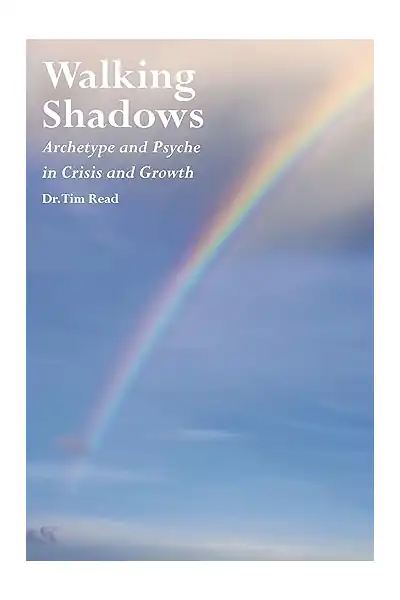
Tim Read's "Walking Shadows: Archetype and Psyche in Crisis and Growth" brings Jungian archetypal psychology to understanding psychological crisis and spiritual emergence. Published in 2020, this book demonstrates how mythic and archetypal patterns provide frameworks for making sense of experiences that conventional psychology often pathologizes or dismisses. Read shows how understanding the archetypal dimensions of crisis—recognizing when someone is living through a death-rebirth journey, encountering the shadow, undergoing shamanic initiation, or navigating other universal patterns—can transform diagnosis and treatment.
What makes Read's approach valuable is his integration of depth psychology with practical clinical work. He's not just theorizing about archetypes but showing how archetypal understanding informs actual therapeutic practice with people in crisis. He demonstrates how recognizing archetypal patterns helps therapists hold difficult material, provides meaning-making frameworks for clients, and suggests interventions aligned with the psyche's own healing processes rather than just symptom suppression.
For IMHU's mission, archetypal psychology offers crucial resources for understanding spiritual emergence. When someone experiences visions, encounters with numinous forces, profound identity shifts, or journeys through psychological underworlds, archetypal frameworks can recognize these as meaningful patterns rather than just symptoms. Read's work shows how depth psychological perspectives complement both clinical psychiatry and spiritual traditions, creating integrative understanding that honors both healing and transformation.
Archetypal Patterns in Crisis
Read describes how psychological crises often follow recognizable archetypal patterns: the hero's journey through trials toward transformation, death-rebirth cycles where old identity structures die to allow new emergence, descent to the underworld confronting shadow and retrieving lost parts of self, shamanic initiation involving dismemberment and reconstitution, or encounter with the Self requiring ego surrender. These aren't just metaphors but patterns the psyche naturally moves through during transformation.
Recognizing archetypal patterns provides meaning and context for experiences that otherwise seem random or pathological. Someone experiencing ego dissolution and rebuilding isn't just having a psychotic break—they may be undergoing archetypal death-rebirth that, when properly supported, leads to greater wholeness. Understanding this changes everything about how we respond: rather than just suppressing symptoms, we support the transformative process while ensuring adequate containment and integration.
For IMHU, archetypal understanding helps distinguish crisis from emergence, pathology from transformation. Not every difficult experience represents archetypal process—some are destructive fragmentation requiring psychiatric intervention. But many experiences labeled as psychotic episodes or bipolar mania actually follow archetypal patterns of transformation. Read's frameworks help with discernment while honoring both clinical responsibility and transformative potential.
Shadow Work and Integration
Read emphasizes shadow work—encountering and integrating disowned, repressed, or projected aspects of self—as essential to psychological and spiritual development. The shadow contains not just negative qualities we've rejected but also positive capacities we've denied. Crisis often involves forced shadow confrontation: repressed material surfaces, projections collapse, defenses break down. This can be terrifying but also profoundly healing when properly supported.
He describes how different archetypal figures represent shadow aspects: the demon or monster embodying rejected rage or desire, the trickster disrupting rigid structures, the dark goddess demanding surrender of ego control. Encountering these figures in visions, dreams, or altered states isn't pathology but psyche's attempt to integrate what's been split off. The therapeutic task is helping people engage with shadow material rather than fleeing from it or acting it out unconsciously.
For IMHU's work, shadow integration is crucial for genuine transformation. Spiritual emergence that bypasses shadow work remains incomplete and often creates problems later. People need support engaging with difficult material surfacing during crisis—trauma, rage, shame, disowned desires—rather than either suppressing it through medication or transcending it through spiritual practices. Read's approach models how to hold both psychological depth work and spiritual emergence together.
The Role of the Therapist as Guide
Read describes the therapist working with archetypal material as psychopomp—guide through underworld journeys, witness to transformation, holder of space while the psyche does its work. This differs from conventional therapy roles focused on fixing problems or teaching skills. The therapist must be comfortable with mystery, able to tolerate not-knowing, familiar with mythic and archetypal language, and trusting of the psyche's self-healing wisdom.
This requires therapists to have done their own depth work, to know their shadows, to have navigated their own archetypal journeys. Without this, they'll be triggered by clients' material, impose their own unfinished business, or flee from the depths the work requires. Supervision, ongoing personal therapy, and immersion in myth and symbolic material prepare therapists for this role. But even well-prepared therapists must remain humble—the psyche's processes exceed our understanding and control.
For IMHU's vision, this emphasizes the specialized training and personal development required for supporting spiritual emergence. Not every therapist can or should do this work. Those who do need specific preparation beyond conventional training: study of depth psychology and archetypal patterns, personal experience of transformative processes, comfort with spiritual and mythic dimensions, and ongoing supervision. Read's work helps IMHU articulate what preparation is needed and why it matters.
Mythology as Living Psychology
Read shows how myths aren't just ancient stories but living psychological patterns still active in contemporary psyches. When someone experiences themselves as on a quest, being tested by gods, journeying to underworlds, or dying and being reborn, they're not being grandiose—they're experiencing archetypal patterns that myths have always described. The myths provide language and structure for experiences that transcend ordinary psychological categories.
He draws on myths from multiple traditions—Greek, Norse, Celtic, indigenous—showing how different cultural expressions illuminate universal patterns. The descent of Inanna, Persephone's abduction to Hades, Odin's sacrifice on the world tree, shamanic dismemberment—all describe psychological/spiritual processes people still undergo. Knowing these myths helps both therapists and clients recognize and navigate transformative experiences.
For IMHU, this validates using mythic and spiritual language alongside clinical terminology. Someone experiencing spiritual emergence may find more meaning in understanding their process through myth than through DSM categories. The challenge is holding both—honoring mythic and archetypal dimensions while also attending to clinical realities like safety, functioning, and need for medical intervention when appropriate. Read demonstrates how to maintain this both/and stance.
Integration and the Return
Read emphasizes that archetypal journeys require return and integration. After descent comes ascent, after death comes rebirth, after initiation comes return to community with gifts. Crisis alone doesn't produce growth—what matters is integrating what emerges and bringing it into ordinary life. Without integration, people either get stuck in inflated identification with archetypal experiences or dismiss them as meaningless episodes.
Integration requires time, support, practices, and often ongoing therapeutic relationship. The insights and transformations that occurred during crisis must be embodied, tested in relationships, applied to practical challenges, and metabolized into wisdom rather than remaining as memories of extraordinary states. This is slow work requiring patience, groundedness, and commitment to ordinary life alongside expanded awareness.
For IMHU's mission, this long-term perspective is essential. The organization can't just support people through acute crisis—it must provide ongoing integration support as people return to ordinary functioning while incorporating their experiences. Read's archetypal framework validates this extended timeline and helps articulate what integration work involves: bringing gifts from the journey into community, finding meaningful ways to live differently, and continuing to develop the capacities awakened during crisis. Understanding emergence through archetypal patterns helps IMHU provide support that honors both the profundity of transformation and the necessity of grounded, sustained integration into everyday life.