


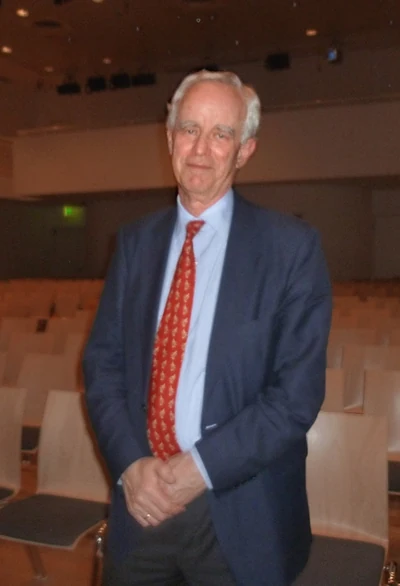
Who Is Pim van Lommel
Pim van Lommel (born 1943) is a Dutch cardiologist and researcher who conducted one of the most rigorous prospective studies of near-death experiences (NDEs) ever undertaken. His landmark study, published in The Lancet in 2001, followed 344 cardiac arrest survivors across ten Dutch hospitals and found that approximately 18% reported NDEs—rich, structured experiences of consciousness during a period when the brain showed no measurable activity. The study's publication in one of the world's most prestigious medical journals brought NDEs into serious scientific discussion in a way that previous anecdotal reports had not.
Van Lommel's significance lies not only in the quality of his research but in the questions it raises about the relationship between consciousness and the brain. His findings—that lucid, complex conscious experiences can occur during cardiac arrest when the brain is not functioning—challenge the standard neuroscientific assumption that consciousness is produced exclusively by brain activity. He has since become one of the most prominent advocates for a non-reductionist understanding of consciousness, arguing that the brain may function more as a receiver or facilitator of consciousness than as its sole generator. His work connects NDE research to broader discussions in consciousness studies, philosophy of mind, and the integration of spiritual experience into medical practice.
Core Concepts
- Prospective, hospital-based NDE research
- Van Lommel's Lancet study was groundbreaking because it was prospective—patients were interviewed systematically within days of cardiac arrest, rather than years later. This methodology addressed common criticisms of NDE research (faulty memory, retrospective embellishment) and established that NDEs are a real, replicable phenomenon that occurs in a significant minority of cardiac arrest survivors. (Wikipedia)
- Consciousness beyond brain function
- The core implication of van Lommel's research is that consciousness may not be entirely dependent on a functioning brain. He proposes that the brain serves as an interface or transceiver for consciousness rather than its sole source—a hypothesis that aligns with certain philosophical traditions and challenges materialist neuroscience.
- NDEs as transformative experiences
- Van Lommel documented that NDEs frequently produce lasting psychological and spiritual changes in those who experience them: reduced fear of death, increased empathy, greater interest in spirituality, and shifts in life priorities. These transformative effects suggest that NDEs are not merely hallucinatory byproducts of a dying brain but meaningful experiences with real consequences for how people live.
- Implications for medical practice and end-of-life care
- Van Lommel advocates for greater openness among medical professionals to discussing NDEs with patients, arguing that dismissing or pathologizing these experiences can cause unnecessary suffering. His work has practical implications for how physicians, nurses, and chaplains approach end-of-life care and cardiac arrest recovery.
Essential Writings
- Consciousness Beyond Life: The Science of the Near-Death Experience (2007; English translation 2010): Van Lommel's comprehensive book presenting his research findings and their implications for understanding consciousness, death, and the relationship between mind and brain. Best use: the most thorough and scientifically grounded case for taking NDEs seriously as evidence about the nature of consciousness.
Image Attribution
Dr. Pim van Lommel: Dutch cardiologist, author of the book "Eindeloos Bewustzijn". The photo depicts him after a speech in Ulm (at the Stadthalle) at 22nd February 2012 when almost all guests have left. Pim van Lommel has given permission to shoot the photo. Author: Pim_van_Lommel.JPG: Siegfried Hornecker derivative work: Hic et nunc (talk). Link: https://commons.wikimedia.org/wiki/File:Pim_van_Lommel-1.jpg
