


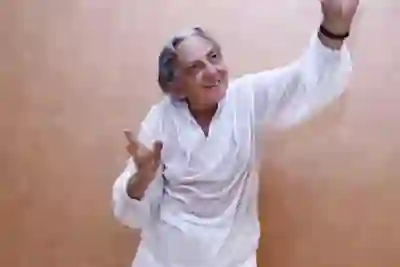
Who Is Rolando Toro Araneda
Rolando Toro Araneda (1924–2010) was a Chilean psychologist, anthropologist, and educator who created Biodanza, a system of human development that uses music, movement, and group interaction to cultivate vitality, emotional expression, creativity, and connection. Born in Concepción, Chile, Toro studied psychology and anthropology at the University of Chile and later worked at the Center for Medical Anthropology at the University of Santiago. His early career included research at the Center for Studies in Medical Anthropology, where he investigated the effects of music and movement on psychiatric patients—work that laid the foundation for Biodanza.
What makes Toro’s contribution distinctive is his insistence that healing and personal development are fundamentally relational and embodied, not merely cognitive. At a time when psychology was dominated by talking therapies and behavioral modification, Toro proposed that the most direct path to psychological and spiritual well-being was through the body in motion, in connection with other bodies. Biodanza sessions (vivencias) use carefully selected music and structured exercises to facilitate experiences of vitality, sexuality, creativity, affectivity, and transcendence—what Toro called the five “lines of vivencia.” The system spread from Chile across Latin America, Europe, and eventually worldwide, with schools of Biodanza now operating in over fifty countries.
Core Concepts
- The five lines of vivencia: a map of human potential
- Toro organized human experience into five fundamental dimensions: vitality (life energy and health), sexuality (pleasure and connection to the body), creativity (innovation and expression), affectivity (love and emotional bonding), and transcendence (connection to the larger whole). Biodanza sessions are designed to stimulate and integrate all five lines, with the understanding that fullness of life requires development across all of them, not just intellectual or spiritual growth. (Wikipedia)
- Vivencia as direct experience, not interpretation
- Central to Toro’s method is the concept of vivencia—lived, felt experience in the present moment. Biodanza deliberately bypasses verbal processing and analysis in favor of immediate bodily and emotional experience within a supportive group. Toro argued that many psychological and spiritual difficulties stem from disconnection from direct experience, and that the path back runs through the body, not through the mind alone.
- The biocentric principle
- Toro proposed a “biocentric” worldview that places life—not culture, ideology, or economics—at the center of ethical and practical decision-making. This principle holds that all education, therapy, and social organization should be evaluated by whether it enhances or diminishes the experience of being alive. The biocentric principle connects Toro’s work to ecological and holistic frameworks that see human well-being as inseparable from the well-being of all living systems.
- Group as healing container
- Biodanza is fundamentally a group practice. Toro believed that the relational field created by a group of people moving and feeling together generates a healing power that individual practice cannot replicate. The group provides safety, mirroring, and a sense of belonging that enables participants to take emotional and expressive risks they might not take alone.
Essential Writings
- Biodanza (2007): Toro’s most comprehensive written presentation of the Biodanza system, covering its theoretical foundations, methodology, and applications. It details the five lines of vivencia, the biocentric principle, and the practical structure of Biodanza sessions. Best use: the definitive text for understanding what Biodanza is and why it works the way it does.